

How Is "No Residue" Actually Defined and Verified for Low-Tack Advertising Media?
Traditional pressure-sensitive adhesive films often leave stubborn residue on retail and exhibition surfaces, leading to hidden cleanup costs, surface damage, and increased labor. This article addresses the engineering challenge of defining and verifying true residue-free…

FreePost® Spider™ Dot Adhesive: Bubble-Free Lamination for POP Graphics
Bubble entrapment during self-adhesive film installation on retail display surfaces remains a persistent engineering and operational challenge. Traditional continuous pressure-sensitive adhesives seal air instantly upon contact, demanding skilled labor, specialized tools, and…
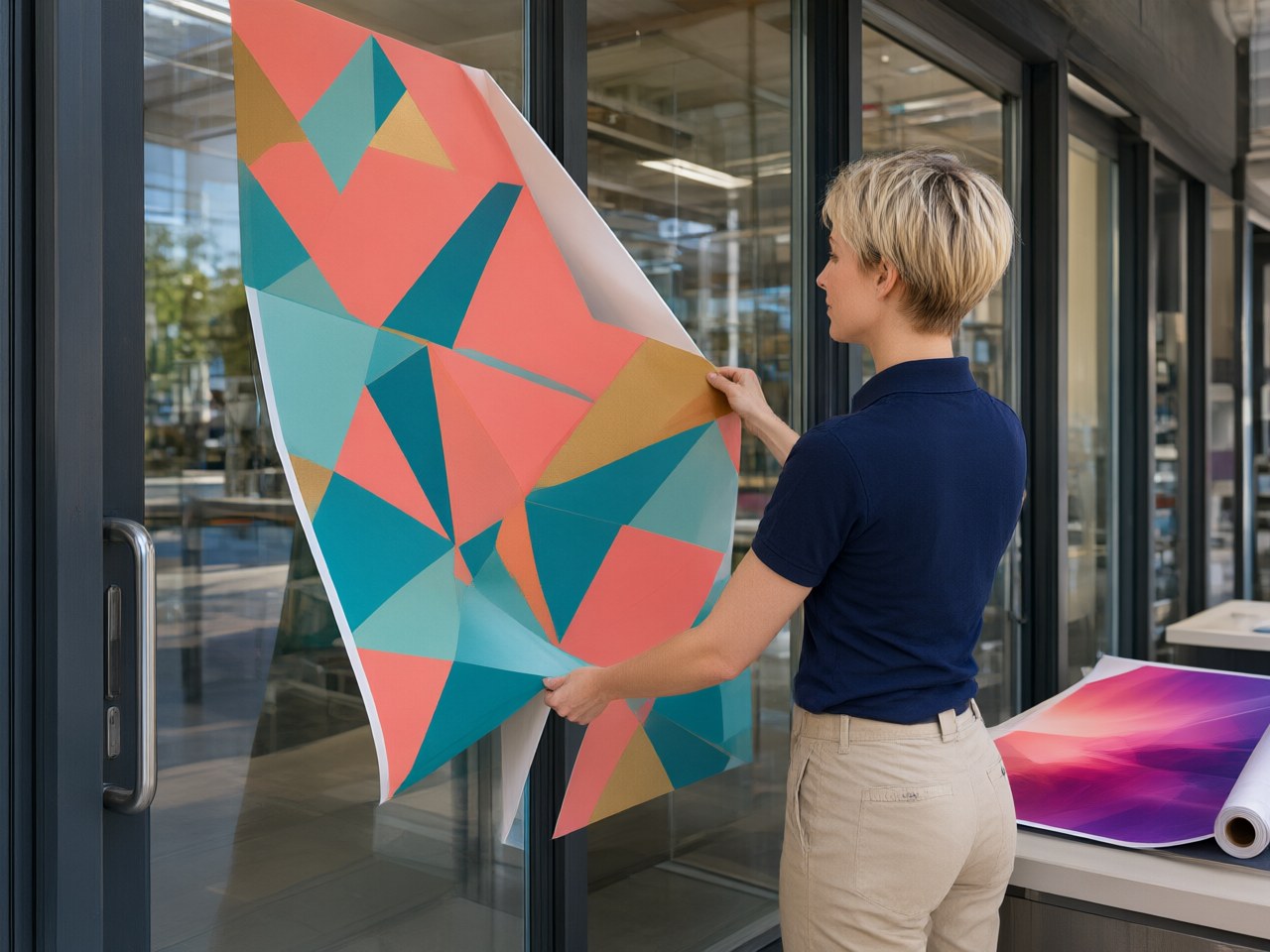
Easy Cling Vacuum Adsorption Film vs. Pressure-Sensitive Adhesive Film: Which Saves More Labor at Removal?
Removing expired promotional graphics from retail glass surfaces using traditional pressure-sensitive adhesive films creates hidden labor costs due to multi-step residue cleaning and the need for specialized crews. This article evaluates vacuum adsorption cling films as a…

How Many Times Can Octopus™ Micro-Suction Film Be Reapplied and Still Hold?
Retail environments require frequent promotional graphic updates, yet traditional adhesive films leave residue and drive up labor and downtime costs. This article addresses a critical procurement question: how many install-remove cycles can micro-suction film endure before…

Solving Color Problems: 5 Tips for Matching Inkjet Media to Your Printing Equipment
Color inaccuracy in wide-format and POP display production frequently stems from mismatches between specialized inkjet substrates and printer configurations, leading to costly reprints and material waste. This article outlines a systematic engineering workflow to align media…

How WALLIZARD® Cling Film Attaches—and How It Differs from Conventional PSA Bonding
Signage and display professionals frequently encounter operational challenges with traditional pressure-sensitive adhesive films, including persistent residue, substrate damage, and limited repositionability during complex installations. This article examines the fundamental…